
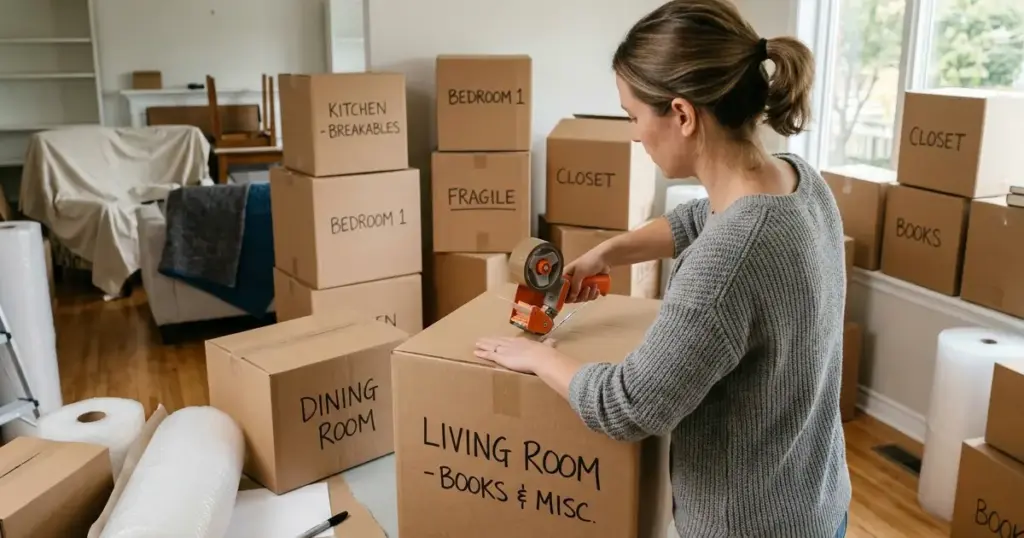
Here’s a shocking statistic: nearly 80% of moving-related damage happens because household items are packed incorrectly—not because they’re transported badly. That’s right! Your favourite coffee mug, expensive television, or cherished family photo frame is far more likely to be damaged by poor packing than by the moving truck itself. If you’re searching for experienced removalists Melbourne, comparing movers in Melbourne, or looking for the ultimate Packing Guide and Moving Guide, you’re already taking the first step toward a safer, smarter move.
Let’s be honest—packing an entire house sounds about as exciting as watching paint dry… while standing on LEGO bricks. It’s time-consuming, physically demanding, and surprisingly easy to underestimate. Many homeowners leave packing until the last minute, throw random items into oversized boxes, and hope for the best. Unfortunately, “hope” isn’t an approved packing material. Whether you’re moving home for the first time or you’ve relocated several times before, following a professional packing guide for moving can save you time, reduce stress, prevent damage, and even lower your moving costs.
This comprehensive guide is designed to help you pack like a professional. You’ll learn exactly what supplies you need, when to begin packing, how to organise every room, how to protect fragile belongings, and why professional house removalists Melbourne recommend planning weeks before moving day. By the time you finish this guide, you’ll know how to pack your home efficiently, safely, and with far less frustration.
Table of Content
- Why Following a Packing Guide Saves Time and Money
- Essential Packing Supplies Checklist
- When Should You Start Packing?
- Room-by-Room Packing Guide
- How to Pack Fragile Items Safely
- Packing Electronics Without Damage
- Furniture Packing Tips from Professional Movers
- Common Packing Mistakes to Avoid
- Professional Packing Tips from Removalists Melbourne
- Packing Checklist Before Moving Day
- Frequently Asked Questions
Why Following a Moving Guide Makes Packing Faster and Safer
Packing isn’t simply placing belongings into cardboard boxes. It’s a strategic process that protects your possessions, improves moving efficiency, reduces physical effort, and makes unpacking significantly easier. One of the biggest mistakes homeowners make is assuming every item can be packed in the same way. In reality, different materials require different packing techniques, and understanding those differences can save hundreds—or even thousands—of pounds in damaged belongings.
A professional Moving Guide encourages homeowners to think several steps ahead. Instead of packing everything at once, you create a structured plan based on room priority, item fragility, and moving timelines. This approach not only keeps your home organised during the weeks leading up to moving day but also helps professional house movers Melbourne load the truck more efficiently. Well-labelled boxes, balanced weights, and protected furniture mean less handling, quicker loading, and a smoother relocation overall.
Following a detailed Packing Guide also benefits your future self. Imagine arriving at your new home and immediately finding your kettle, coffee mugs, chargers, toiletries, and bedding because every box has been labelled properly. Compare that with spending hours opening random boxes labelled “Miscellaneous.” Organisation during packing becomes convenience during unpacking.
Perhaps most importantly, a structured packing guide for moving helps reduce stress. Moving house consistently ranks among life’s most stressful experiences, but much of that anxiety comes from poor preparation rather than the move itself. Starting early and following a proven process transforms what feels like an overwhelming project into a series of manageable tasks.
Packing Guide – Essential Packing Supplies You'll Need
Before packing your first box, gather the right materials. Professional movers often say that using quality packing supplies is one of the easiest ways to prevent damage during relocation. Cheap boxes, weak tape, or insufficient cushioning can lead to broken items, collapsed cartons, and unnecessary frustration on moving day.
Essential Packing Materials
Before you begin, make sure you have:
- Small moving boxes for books and heavy items
- Medium boxes for kitchenware and household goods
- Large boxes for lightweight belongings
- Heavy-duty packing tape
- Bubble wrap
- Packing paper
- Stretch wrap for furniture
- Furniture blankets
- Packing peanuts or biodegradable cushioning
- Permanent markers
- Colour-coded labels or stickers
- Zip-lock bags for screws and small hardware
- Utility knife
- Scissors
- Cable ties
- Mattress protectors
- Wardrobe boxes
- Plastic storage tubs for valuable documents
Investing in high-quality supplies may seem like an additional expense, but replacing broken electronics, damaged furniture, or shattered glassware is almost always far more costly.
Why Box Size Matters
One of the most common mistakes homeowners make is choosing the wrong box size for their belongings. Large boxes may appear convenient, but when they’re filled with heavy books or kitchenware, they become difficult—and sometimes unsafe—to lift. Smaller boxes should always be used for dense items, while larger cartons are better suited for lightweight belongings such as pillows, bedding, lampshades, or clothing.
Professional furniture removalists Melbourne recommend keeping every box below a comfortable lifting weight whenever possible. Balanced boxes are easier to carry, stack more securely inside the moving truck, and reduce the risk of boxes collapsing under pressure.
Don't Forget Protective Materials
Protection is just as important as the box itself. Bubble wrap, packing paper, foam sheets, and furniture blankets all serve different purposes. Wrapping delicate items individually prevents them from knocking together during transport, while furniture blankets help shield tables, wardrobes, and appliances from scratches or dents.
Avoid relying solely on old newspapers for fragile items, as printing ink can transfer onto ceramics, glass, and fabrics. Clean packing paper or acid-free wrapping materials provide better protection without leaving stains or residue.
Packing Guide for Moving – When Should You Start Packing?
One of the biggest misconceptions about moving is that packing can be completed over a weekend. Unless you’re relocating from a studio apartment with minimal belongings, that’s rarely realistic. Most households contain far more possessions than expected, and packing always takes longer than people estimate.
Professional removalists Melbourne generally recommend beginning the packing process four to six weeks before moving day. Starting early gives you enough time to declutter, organise, source additional supplies, and pack methodically without disrupting your daily routine.
Six Weeks Before Moving
The first stage focuses on planning rather than packing. Begin by taking inventory of your belongings and identifying items you no longer need. This is an excellent opportunity to donate, recycle, or sell furniture, clothing, and household goods that won’t be coming with you. Reducing the number of items you move not only saves time but may also reduce your overall moving costs.
At this stage, purchase all your packing materials and create a room-by-room packing strategy. Planning ahead helps avoid rushed decisions later and ensures you always have the right supplies on hand.
Four Weeks Before Moving
With one month remaining, begin packing non-essential belongings. Seasonal decorations, books, rarely used kitchen appliances, memorabilia, and off-season clothing can all be packed well in advance without affecting everyday life. Packing one room at a time keeps your home organised and prevents half-packed boxes from spreading throughout the house.
This is also the ideal time to confirm your booking with your chosen house moving service and discuss any oversized, fragile, or specialty items that may require additional care.
Two Weeks Before Moving
As moving day approaches, shift your attention to items you use occasionally rather than daily. Spare bedding, decorative pieces, guest room furniture, and excess kitchenware can now be packed safely. Continue labelling every box clearly with its destination room and a brief description of the contents.
Professional house removalists Melbourne recommend numbering your boxes as well. Maintaining a simple inventory makes it easier to confirm everything has arrived at your new home before the moving truck departs.
One Week Before Moving
The final week should be reserved for everyday essentials and last-minute preparations. Leave only the items you genuinely need until moving day, such as toiletries, medications, chargers, a few changes of clothes, and basic cooking equipment. Preparing an essentials box ensures you won’t spend your first evening opening dozens of cartons searching for toothpaste or your phone charger.
Starting early and following a structured timeline transforms packing from a stressful rush into a manageable project. It also allows professional movers to work more efficiently, helping your move stay on schedule from beginning to end.
Packing Guide – How to Pack Your Kitchen Like a Professional
The kitchen is often the most time-consuming room to pack because it contains hundreds of small, fragile, and oddly shaped items. Plates, glassware, appliances, pantry goods, and sharp utensils all require different packing methods. Leaving the kitchen until the last minute almost guarantees unnecessary stress, so professional removalists Melbourne recommend starting this room earlier than most homeowners expect.
Before packing, clear expired food from your pantry, refrigerator, and freezer. Moving unwanted or expired groceries wastes valuable space and increases box weight. Donate unopened non-perishable food where possible and plan meals during the final week to minimise leftovers.
Kitchen Packing Checklist
- Plates and bowls
- Glasses and mugs
- Pots and pans
- Cutlery
- Small appliances
- Pantry items
- Cleaning supplies
- Food containers
- Baking trays
- Cooking utensils
Wrap Every Fragile Item Individually
One of the biggest packing mistakes is stacking plates or glasses without adequate cushioning. Each fragile item should be wrapped separately using packing paper or bubble wrap before being placed upright inside a sturdy box. Standing plates vertically rather than laying them flat significantly reduces the chance of cracking during transport.
Fill any empty spaces inside boxes with packing paper to prevent movement while the truck is in transit. If items can shift inside the box, they are far more likely to become damaged before reaching your new home.
Pack Heavy Appliances Correctly
Microwaves, coffee machines, air fryers, and stand mixers should be cleaned thoroughly before packing. Remove loose components, wrap cords securely, and place each appliance inside a well-cushioned box. Whenever possible, use the original manufacturer packaging, as it is specifically designed to protect the appliance during transportation.
Professional house removalists Melbourne also recommend avoiding overfilled appliance boxes. Extra weight increases the likelihood of dropped boxes and makes loading more difficult.
Moving Guide – Packing Your Living Room Efficiently
The living room often contains your most valuable and sentimental possessions, from televisions and gaming consoles to artwork, books, decorative pieces, and family photographs. Packing this room carefully reduces the risk of expensive damage while making unpacking much more organised.
Begin by disconnecting electronic equipment and photographing cable connections before removing them. This simple step makes reconnecting televisions, speakers, and entertainment systems much easier after the move.
Living Room Packing Checklist
- Television
- Sound system
- Gaming consoles
- Books
- Picture frames
- Lamps
- Rugs
- Decorative items
- Curtains
- Indoor plants
Protect Electronics Properly
Electronics are sensitive to vibration, pressure, and moisture. Wrap each item using anti-static bubble wrap where possible and pack cables separately in labelled zip-lock bags. Never place heavy items on top of electronics inside moving boxes.
If original packaging is unavailable, choose double-walled cartons with generous padding on every side. Secure empty spaces using foam or packing paper to minimise movement during transport.
Pack Books the Right Way
Books become surprisingly heavy when packed together. Always use small cartons rather than large boxes for books. Overloaded cartons are difficult to lift and may tear during transportation.
Pack books flat or standing upright, keeping them tightly arranged to prevent shifting inside the box.
Packing Guide for Moving – Bedroom Packing Tips
Bedrooms often appear easy to pack, but wardrobes, drawers, bedding, and personal belongings can quickly become overwhelming without a plan.
Start by sorting clothing into categories:
- Keep
- Donate
- Sell
- Recycle
There’s little point paying to move clothes you haven’t worn in years.
Use Wardrobe Boxes
Wardrobe boxes allow clothing to remain on hangers throughout the move. This saves hours of folding, packing, and ironing after arrival.
For folded clothing, vacuum storage bags can dramatically reduce the space required for bulky blankets, winter jackets, and bedding.
Jewellery and Valuables
Jewellery, passports, financial documents, and sentimental keepsakes should never be packed inside the moving truck.
Instead, transport these items personally in a secure bag that remains with you throughout moving day.
Experienced house movers Melbourne always recommend keeping irreplaceable possessions within your direct control.
Packing Guide – Bathroom Packing Tips
Bathrooms contain numerous liquids, medications, and personal care products that require careful packing.
Begin by disposing of expired medications and nearly empty bottles before packing.
Bathroom Packing Checklist
- Toiletries
- Towels
- Hair dryers
- Straighteners
- First aid kit
- Prescription medication
- Cosmetics
- Cleaning products
Prevent Leaks
Tape lids closed and place liquid products inside sealed plastic bags before packing them into cartons.
This extra layer of protection prevents shampoo, conditioner, or cleaning chemicals from leaking onto clothing or electronics during transport.
Keep Daily Essentials Separate
Prepare a small toiletry bag containing everything you’ll need for the first 24 hours after moving.
Include:
- Toothbrush
- Toothpaste
- Soap
- Shampoo
- Toilet paper
- Medication
Having immediate access to these items makes your first evening considerably more comfortable.
Moving Guide – Packing Your Home Office
Working remotely has made home offices one of the most valuable rooms in modern homes.
Before disconnecting equipment, back up important files using cloud storage or an external hard drive.
Home Office Packing Checklist
- Laptop
- Desktop computer
- Monitor
- Keyboard
- Printer
- Important documents
- Chargers
- Office supplies
Organise Cables
Use cable ties and labels to identify every wire before disconnecting equipment.
Photographing cable layouts allows you to reconnect your workspace much more quickly in your new home.
Protect Important Documents
Birth certificates, contracts, passports, legal paperwork, and financial records should travel with you rather than inside the moving truck.
Professional house moving service providers recommend storing these documents inside waterproof folders.
Packing Guide – Garage and Storage Areas
Garages often become catch-all storage spaces, making them one of the last—and hardest—areas to pack.
Begin several weeks before moving by sorting tools, sports equipment, gardening supplies, and seasonal decorations.
Garage Packing Checklist
- Power tools
- Hand tools
- Gardening equipment
- Sports gear
- Paint supplies
- Extension cords
- Outdoor furniture accessories
Dispose of Hazardous Materials
Many moving companies cannot legally transport:
- Petrol
- Gas cylinders
- Paint
- Chemicals
- Fireworks
- Certain cleaning products
Check with your chosen furniture removalists Melbourne regarding restricted items before moving day.
Packing Outdoor Furniture and Garden Equipment
Outdoor furniture requires just as much preparation as indoor furniture.
Clean tables, chairs, umbrellas, and barbecues before packing to prevent dirt from transferring onto other belongings.
Remove cushions, fold umbrellas, and secure loose parts using labelled bags.
Garden tools should be cleaned thoroughly and wrapped carefully to prevent sharp edges from damaging nearby items.
Packing Children's Bedrooms
Moving can be stressful for children, so involving them in packing often helps reduce anxiety.
Allow children to pack a special backpack containing favourite toys, books, and comfort items they’ll want immediately after arriving at the new home.
Packing familiar belongings separately also makes the first night easier for younger family members.
Packing Guide – Label Everything Clearly
Labelling is one of the simplest yet most effective packing techniques.
Every box should include:
- Destination room
- Brief contents description
- Fragile label (if applicable)
- Box number
Many professional furniture movers Melbourne also recommend using coloured labels for each room. This allows movers to identify destinations quickly without reading every carton.
A numbered inventory list further simplifies unpacking by helping you confirm that every box has arrived safely.
Common Room-by-Room Packing Mistakes
Even experienced movers occasionally make avoidable mistakes.
Some of the most common include:
- Mixing multiple rooms in one box
- Overloading cartons with heavy items
- Forgetting to label boxes
- Packing wet or dirty belongings
- Leaving empty spaces inside cartons
- Packing valuables in the moving truck
- Waiting until the final week to begin
Avoiding these mistakes helps professional movers work more efficiently while reducing the risk of damage throughout your relocation.
Packing Guide for Moving – How to Pack Fragile Items Without Damage
Fragile belongings are often the items people worry about most during a move—and for good reason. Glassware, mirrors, artwork, ceramics, collectibles, and sentimental keepsakes are difficult or impossible to replace if damaged. The good news is that most breakages happen because of poor packing rather than poor transportation. By using the right techniques and quality packing materials, you can dramatically reduce the risk of damage.
Professional removalists Melbourne recommend wrapping every fragile item individually rather than bundling multiple pieces together. Bubble wrap, packing paper, foam sheets, and sturdy double-walled boxes all play an important role in protecting delicate belongings. Every fragile box should be filled tightly enough to prevent movement while still providing enough cushioning to absorb vibration during transport.
Golden Rules for Packing Fragile Items
- Wrap each item separately.
- Use quality packing paper before bubble wrap.
- Fill all empty spaces inside boxes.
- Never overfill or overload fragile cartons.
- Clearly label every box as FRAGILE.
- Keep heavier fragile items at the bottom.
- Avoid mixing heavy and delicate belongings in the same box.
Following these simple rules significantly improves the chances that your belongings will arrive safely at your new home.
Moving Guide – Packing Glassware, Plates and Kitchenware
Kitchenware accounts for a large percentage of moving-related breakages because many homeowners underestimate how delicate everyday items can be. Plates stacked flat, loosely packed glasses, or mugs without adequate cushioning can easily crack during transit.
Wrap each plate individually with packing paper and position plates vertically inside the box rather than stacking them horizontally. Standing plates on their edges distributes pressure more evenly and reduces the likelihood of cracks. Glasses should be wrapped separately, with extra cushioning placed inside larger wine glasses to strengthen them against impact.
Bowls, serving dishes, and ceramic cookware should be packed in layers with packing paper between each item. Fill any remaining gaps with crumpled paper or foam to prevent movement inside the carton. Experienced house removalists Melbourne recommend gently shaking each sealed box before loading it. If you hear movement, reopen the box and add more cushioning before transport.
Packing Guide – How to Pack Mirrors, Artwork and Picture Frames
Mirrors and framed artwork require special attention because they combine fragile glass with awkward shapes. These items should never be packed in standard moving cartons if purpose-built picture boxes or mirror cartons are available.
Begin by applying painter’s tape across the glass in an “X” pattern. While this won’t prevent breakage, it helps minimise shattered glass movement if an accident occurs. Wrap the entire frame in packing paper, followed by bubble wrap, and protect the corners using foam or cardboard corner protectors.
Large mirrors and artwork should always travel upright rather than lying flat. Standing them vertically reduces pressure and minimises the chance of cracking under heavy loads. Professional furniture removalists Melbourne often position mirrors between mattresses or secure them against padded sections of the truck for additional protection.
Packing Guide for Moving – Protecting Electronics
Modern households contain thousands of pounds worth of electronics, including televisions, computers, gaming consoles, tablets, printers, and smart home devices. These items are sensitive to vibration, moisture, dust, and impact, making careful preparation essential.
Whenever possible, pack electronics in their original manufacturer boxes, as these are designed specifically to absorb shocks during transportation. If original packaging is unavailable, use sturdy double-walled cartons with generous padding on every side. Wrap screens in soft microfibre cloths before adding bubble wrap to avoid scratches.
Label every cable before disconnecting it, and place small accessories such as remotes, power supplies, and HDMI leads into clearly labelled zip-lock bags. Taking photographs of cable connections before unplugging equipment makes reassembly much easier after moving into your new home.
Moving Guide – Packing Televisions Safely
Flat-screen televisions are among the most expensive household items to replace after a moving accident. Before packing, disconnect all cables and remove any detachable stands. Clean the screen using an appropriate microfibre cloth and avoid placing pressure directly on the display.
Wrap the television in a protective moving blanket before placing it inside a purpose-built TV box with foam inserts. Never transport televisions lying flat inside the moving truck. Instead, keep them upright and securely fastened to prevent movement during transit. Trusted house movers Melbourne use specialised straps and padded barriers to protect large televisions throughout the journey.
Packing Guide – Furniture Protection Techniques
Furniture often represents one of the biggest financial investments in any home. Scratches, dents, torn upholstery, or chipped timber finishes can quickly reduce both appearance and value, making proper protection essential.
Before moving day, dismantle large furniture wherever practical. Remove table legs, bed frames, shelving units, and detachable components to reduce size and improve manoeuvrability. Place all screws, bolts, and fittings into labelled plastic bags and tape them securely to the corresponding furniture item.
Use moving blankets, stretch wrap, and foam padding to protect timber, leather, and upholstered surfaces. Stretch wrap keeps protective blankets securely in place while preventing drawers and doors from opening during transportation. Professional house moving service providers also recommend avoiding adhesive tape directly on furniture finishes, as it can damage paint, varnish, or polished timber.
Packing Mattresses and Bedding Properly
Mattresses should always be placed inside purpose-made mattress protectors before moving. These heavy-duty covers shield mattresses from dirt, moisture, dust, and accidental tears while loading and unloading.
Pillows, quilts, blankets, and seasonal bedding can be compressed using vacuum storage bags to reduce their overall volume. Not only does this save valuable truck space, but it also keeps bedding clean and organised until unpacking.
Moving Guide – Packing Clothes Efficiently
Clothing may seem straightforward to pack, but inefficient packing wastes space and increases unpacking time. Wardrobe boxes allow clothes to remain on hangers, eliminating the need for folding and reducing wrinkles.
For folded clothing, use medium-sized cartons or vacuum storage bags for bulky winter items. Shoes should be cleaned, stuffed with packing paper to maintain their shape, and packed separately from clothing whenever possible. Labelling clothing boxes by season or family member makes unpacking much easier in your new home.
Packing Guide – Appliances and White Goods
Large appliances such as refrigerators, washing machines, dryers, and dishwashers require preparation several days before moving. Refrigerators should be emptied and defrosted at least twenty-four hours before transport to prevent leaks and unpleasant odours.
Secure appliance doors using stretch wrap rather than adhesive tape, disconnect hoses carefully, and keep all fittings together in labelled bags. Washing machine drums should be stabilised using transport bolts if recommended by the manufacturer. Experienced house removalists Melbourne routinely inspect appliances before loading to ensure they are properly prepared for safe transport.
Common Packing Mistakes That Cost Homeowners Money
Even with the best intentions, many homeowners make simple packing mistakes that lead to unnecessary damage, delays, or higher moving costs. Understanding these mistakes beforehand can save both time and money.
Common packing errors include:
- Using poor-quality boxes that collapse under weight.
- Overloading cartons with books or kitchenware.
- Leaving empty spaces inside boxes.
- Forgetting to label fragile items.
- Mixing rooms in the same box.
- Packing hazardous materials without checking removalist restrictions.
- Waiting until the final weekend to start packing.
- Failing to protect furniture with blankets or wrap.
- Packing important documents inside the moving truck.
Avoiding these issues creates a more organised relocation and allows your movers to work efficiently.
Professional Packing Tips from Removalists Melbourne
Experienced removalists Melbourne handle hundreds of moves every year and consistently see the same patterns separating smooth relocations from stressful ones. Their advice is remarkably consistent: start early, stay organised, and never underestimate the value of proper labelling.
Professional recommendations include:
- Pack one room at a time instead of jumping between rooms.
- Number every box and keep a master inventory.
- Place heavier boxes on the bottom of stacks.
- Keep valuables and essential documents with you.
- Prepare an overnight essentials bag.
- Leave clear walkways for movers.
- Confirm parking and property access before moving day.
- Communicate any fragile or oversized items before loading begins.
These small habits make a significant difference on moving day and reduce the likelihood of unexpected delays or damage.
Why Hiring Professional Furniture Movers Melbourne Saves Time
Although many people consider packing and moving themselves, professional furniture movers Melbourne bring expertise, specialised equipment, and proven systems that improve both safety and efficiency. They understand how to lift awkward furniture correctly, protect delicate finishes, and maximise truck space without compromising the security of your belongings.
Hiring professionals also reduces physical strain and lowers the risk of injury. Instead of worrying about heavy lifting, you can focus on supervising the move, completing final inspections, and settling into your new home with confidence.
Packing Guide – The Ultimate Pre-Moving Packing Checklist
As moving day approaches, it’s easy to assume everything is under control. However, even the most organised households can overlook important tasks during the final week. A structured Packing Guide helps ensure every box is sealed, every document is accounted for, and every essential item is ready before the moving truck arrives.
Professional removalists Melbourne recommend reviewing your packing checklist at least 48 hours before moving day. This gives you enough time to correct any oversights, purchase additional packing supplies if necessary, and confirm your arrangements with your moving company. Completing these final checks helps eliminate unnecessary stress and keeps your relocation running according to schedule.
Final Packing Checklist
- Every box is sealed securely.
- Every carton is clearly labelled with its destination room.
- Fragile boxes are marked on multiple sides.
- Heavy boxes are packed separately from lightweight boxes.
- Furniture has been dismantled where appropriate.
- Screws, bolts, and fittings are stored in labelled bags.
- Mattresses are protected with mattress covers.
- Electronics have been disconnected and labelled.
- Appliances have been cleaned and prepared.
- Important documents are packed separately.
- Valuables remain with you.
- Overnight essentials bag is ready.
- Cleaning supplies remain accessible.
- Chargers are packed in your essentials bag.
- Spare keys have been located.
- Utilities have been transferred.
- Address updates have been completed.
- Removalist booking has been reconfirmed.
Completing these final tasks dramatically reduces the chances of delays or forgotten belongings on moving day.
Moving Guide – Moving Day Packing Tips
Packing doesn’t officially end until the last box has been loaded. The final few hours before your movers arrive are often the busiest, making it essential to stay calm and follow your plan. Rather than rushing through last-minute tasks, focus on keeping walkways clear, ensuring fragile items are accessible, and communicating clearly with your moving team.
Professional house movers Melbourne recommend keeping one room or corner of the house dedicated to items that are travelling with you rather than inside the truck. This prevents important belongings such as passports, laptops, medications, chargers, and financial documents from accidentally being loaded with the rest of your household goods.
Moving Day Tips
- Keep your phone fully charged.
- Wear comfortable clothing and closed shoes.
- Keep children and pets away from loading areas.
- Photograph valuable furniture before transport.
- Perform a final walkthrough before locking the property.
- Check cupboards, wardrobes, and outdoor storage one final time.
- Confirm furniture placement with movers before unloading.
- Inspect delivered items before signing paperwork.
Following these simple habits can make the difference between a stressful moving day and one that feels organised and controlled
Packing Guide for Moving – Why Hiring Professional Removalists Melbourne Is Worth It
Many homeowners initially consider moving themselves to save money. However, once truck hire, fuel, lifting equipment, packing materials, insurance, and physical labour are taken into account, a DIY move is often less economical than expected. It also carries a much higher risk of injuries, damaged furniture, and delays.
Experienced removalists Melbourne bring far more than a truck. They provide trained staff, specialised lifting equipment, protective materials, proven loading techniques, and years of practical experience handling everything from fragile antiques to oversized furniture. Their expertise helps ensure your belongings arrive safely while significantly reducing the physical and emotional burden of moving.
Why Professional House Removalists Melbourne Make Packing Easier
Professional house removalists Melbourne don’t simply transport boxes—they understand how to prepare an entire household for relocation. From advising on the correct box sizes to protecting delicate furniture finishes, experienced movers help homeowners avoid the mistakes that commonly lead to damaged belongings.
Many removal companies also offer full or partial packing services. If you’re short on time, moving a large property, or transporting valuable items, professional packing can be a worthwhile investment. It allows you to focus on organising your new home while experts carefully prepare and protect your possessions.
Benefits of Choosing Experienced Furniture Movers Melbourne
Large wardrobes, dining tables, sofas, refrigerators, and pianos require specialised handling. Professional furniture movers Melbourne use lifting straps, furniture dollies, protective blankets, and secure loading systems that minimise the risk of scratches, dents, or structural damage during transport.
Experienced movers also know how to maximise truck space efficiently. A properly loaded vehicle reduces movement during transit, helping protect both your furniture and smaller packed boxes. This expertise often shortens loading and unloading times, making your entire relocation more efficient.
Packing Guide Summary – The Keys to a Stress-Free Move
Packing successfully isn’t about working harder—it’s about working smarter. Starting early, using quality packing materials, protecting fragile belongings properly, and following a structured room-by-room strategy all contribute to a smoother relocation. Every labelled box, wrapped plate, and protected piece of furniture saves time during unpacking and reduces the likelihood of expensive damage.
Whether you’re moving from a one-bedroom apartment or a large family home, following a detailed Moving Guide and packing guide for moving allows you to stay organised from beginning to end. Combined with the support of experienced house movers Melbourne, your relocation becomes far more manageable and considerably less stressful.
Conclusion
Packing is one of the most important parts of any successful move. The way you prepare your belongings directly affects how safely they arrive, how quickly you can unpack, and how enjoyable your first days in your new home will be. By following this comprehensive Packing Guide, using this practical Moving Guide, and applying these professional packing guide for moving techniques, you’ll save time, reduce stress, and protect the possessions that matter most.
If you’d rather leave the heavy lifting—and the expert packing—to professionals, our experienced Melbourne moving team is ready to help. From apartments and family homes to office relocations and interstate moves, we provide reliable, affordable, and fully insured moving services tailored to your needs.
Book Your Move Today, Get a Free Quote
Looking for trusted movers in Melbourne who treat your belongings with the same care they would their own?
Our experienced team offers:
- Professional packing services
- Local Melbourne moves
- Interstate relocations
- Furniture removals
- Apartment and house moves
- Office relocations
- Protective wrapping and packing materials
- Fully insured moving services
- Friendly, experienced removalists
- Transparent pricing with no hidden surprises
Book Your Move Today, Get a Free Quote, and let us help make your next move faster, safer, and completely stress-free.
FAQS
A professional Packing Guide recommends starting four to six weeks before moving day, using quality packing supplies, labelling every box clearly, and packing room by room. Following a structured process reduces damage, saves time during unpacking, and helps your movers work more efficiently.
A detailed Moving Guide keeps every stage of your relocation organised, from decluttering and packing through to moving day and unpacking. It helps minimise forgotten tasks, reduces stress, and ensures your belongings are transported safely.
A complete packing guide for moving should include a packing timeline, essential supplies, room-by-room instructions, fragile item protection, furniture preparation, electronics packing, appliance handling, and a final moving day checklist.
It’s recommended to book removalists Melbourne at least four to eight weeks before your preferred moving date, especially during weekends, school holidays, and the end of each month. Booking early gives you better availability and often more competitive pricing.
Yes. Many house removalists Melbourne offer optional packing and unpacking services using professional materials and techniques. These services are ideal for busy households, large homes, or customers transporting valuable or fragile belongings.
Professional furniture movers Melbourne use furniture blankets, shrink wrap, protective padding, straps, and specialised equipment to minimise the risk of scratches, dents, and damage during transportation. Reputable companies also explain their insurance options before moving day.
A comprehensive house moving service often includes loading, transportation, unloading, furniture disassembly and reassembly, protective wrapping, transit insurance options, and, in many cases, full or partial packing assistance depending on the package selected.
Experienced house movers Melbourne have the knowledge, equipment, and manpower to move heavy furniture safely and efficiently. Hiring professionals reduces physical strain, lowers the risk of damage, and often saves time compared with organising a DIY move.
Most movers in Melbourne suggest writing the destination room, a brief description of the contents, and any handling instructions such as “Fragile” or “This Side Up” on multiple sides of each box. Colour-coded labels can make unloading even quicker.
The most common mistakes include leaving packing until the last minute, overloading boxes, using poor-quality packing materials, failing to label cartons, and forgetting to prepare an essentials bag. Following a structured Packing Guide helps avoid these issues and leads to a much smoother moving experience.