
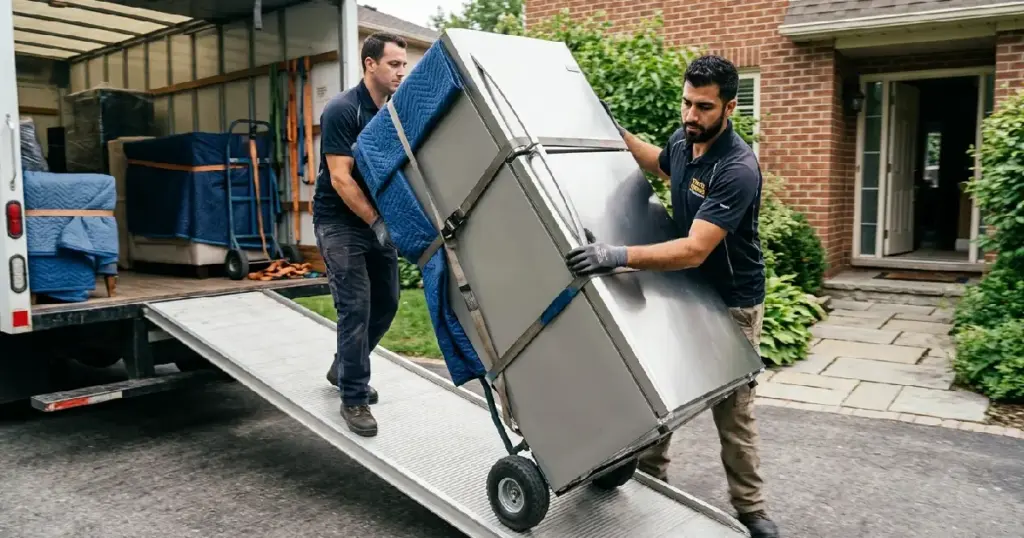
How to Move a Fridge Safely: Expert Removalist Tips
Here’s a shocking statistic: nearly one in five appliances damaged during a house move is a refrigerator, and many of those failures don’t appear until days after the move. The biggest culprit isn’t the moving truck—it’s incorrect preparation and handling. If you’re searching for experienced removalists Melbourne, trusted movers in Melbourne, or practical advice on moving a fridge, this guide will help you avoid expensive repairs, spoiled food, and unnecessary moving stress.
A refrigerator is one of the heaviest and most valuable appliances in any home. Unlike a dining table or sofa, it contains delicate compressors, refrigerant lines, electrical components, shelves, and doors that all require special attention during transport. Tilting it the wrong way, failing to secure internal components, or plugging it in too soon after the move can permanently damage the cooling system. Whether you’re relocating across Melbourne or moving interstate, this comprehensive guide explains exactly how to prepare, pack, lift, transport, unload, and reinstall your fridge safely. You’ll also discover when it’s smarter to hire professional house removalists Melbourne rather than attempting the move yourself.
Table of Content
- Why Moving a Fridge Requires Special Care
- Essential Equipment for Moving a Fridge
- Preparing Your Fridge Before Moving
- Step-by-Step Guide to Moving a Fridge
- Loading and Transporting a Refrigerator
- Common Fridge Moving Mistakes
- DIY vs Professional Removalists
- Why Choose Pathway Movers?
- Fridge Moving Checklist
- Frequently Asked Questions
Moving a Fridge – Why Proper Preparation Is So Important
Many people assume that moving a fridge is simply a matter of unplugging it and wheeling it into the moving truck. Unfortunately, refrigerators are far more complex than they appear. Inside every fridge is a sealed refrigeration system containing a compressor, condenser coils, refrigerant, and lubricating oil. These components are carefully designed to operate in an upright position.
If a refrigerator is moved incorrectly, compressor oil can travel into the refrigerant lines where it doesn’t belong. This may reduce cooling efficiency or even cause permanent compressor damage. In addition, loose shelves, drawers, and doors can shift during transport, increasing the likelihood of cracked plastic components, scratched finishes, or broken hinges.
Professional house movers Melbourne understand these risks and follow proven handling procedures that protect both the appliance and your property throughout the relocation.
Why Refrigerators Are Difficult to Move
Refrigerators combine several characteristics that make them one of the most challenging household appliances to relocate.
They are:
- Heavy and awkward to lift.
- Taller than most furniture.
- Difficult to manoeuvre through narrow doorways.
- Sensitive to excessive tilting.
- Easily scratched or dented.
- Filled with fragile glass shelves and drawers.
- Equipped with delicate compressors and cooling systems.
Even compact refrigerators can weigh more than 100 kilograms, while large French-door models often exceed 170 kilograms. Attempting to move one without the proper equipment or enough helpers significantly increases the risk of injury and appliance damage.
House Moving Service – Common Risks When Moving a Fridge
Understanding what can go wrong helps you avoid expensive mistakes. The most common risks include:
- Damaging the compressor.
- Scratching kitchen flooring.
- Denting doors and side panels.
- Breaking glass shelves.
- Tearing door seals.
- Injuring your back while lifting.
- Damaging walls and door frames.
- Failing to secure the fridge inside the moving truck.
- Plugging the appliance in too soon after transport.
Professional house removalists Melbourne minimise these risks through specialised equipment and careful planning.
Moving a Fridge – Essential Equipment You'll Need
Having the correct equipment makes the move significantly safer and easier. While some homeowners attempt to improvise with blankets and ropes, purpose-built moving tools provide far better protection.
Fridge Moving Equipment Checklist
- Appliance trolley (dolly)
- Heavy-duty moving straps
- Furniture blankets
- Stretch wrap
- Packing tape
- Bubble wrap
- Corner protectors
- Adjustable spanner
- Screwdrivers
- Cleaning cloths
- Zip-lock bags for removable parts
- Permanent marker
- Non-slip work gloves
- Safety shoes
Using the right equipment protects both your refrigerator and everyone involved in the move.
Appliance Trolley vs Carrying by Hand
One of the biggest mistakes homeowners make is attempting to lift a refrigerator manually. Even if two or three people are available, carrying a heavy appliance over long distances or down stairs places enormous strain on the back and increases the chance of dropping the fridge.
An appliance trolley distributes the weight more evenly while allowing the refrigerator to remain upright. Professional furniture movers Melbourne rely on heavy-duty dollies because they improve safety, reduce physical effort, and make navigating tight spaces considerably easier.
Moving a Fridge – Prepare Your Refrigerator Before Moving
Preparation should begin at least twenty-four hours before moving day. Rushing this stage often leads to leaks, unpleasant odours, damaged shelves, or compressor problems after arrival.
The first step is to remove all food from the refrigerator and freezer. Perishable items should be consumed, donated, or transferred into insulated coolers if they need to remain cold during the move. Leaving food inside the fridge adds unnecessary weight and increases the risk of spills or unpleasant smells.
Once emptied, switch the refrigerator off at the power outlet and unplug it safely. Allow the appliance to begin warming naturally so frost inside the freezer can melt before transport.
Defrost the Freezer
If your refrigerator includes a freezer compartment, complete defrosting is essential before moving.
Ice left inside the freezer melts during transport, creating water that can leak onto your flooring, moving truck, or nearby furniture. Excess moisture may also encourage mould growth if the fridge remains closed for several hours.
Place towels around the base of the refrigerator to absorb water while defrosting. Depending on the amount of ice buildup, this process may take several hours, so plan accordingly.
Clean the Interior Thoroughly
After defrosting, clean every shelf, drawer, and internal surface using warm water and a mild cleaning solution. Remove food residue, spills, and moisture completely before packing.
Leaving even small amounts of moisture inside the appliance can encourage unpleasant odours or mould growth while the refrigerator remains switched off.
Dry all surfaces thoroughly using clean towels before replacing any removable components.
Packing Guide – Secure Internal Components
Modern refrigerators contain removable shelves, glass panels, vegetable drawers, bottle racks, and ice trays. These components should never be left loose during transport.
Remove glass shelves individually and wrap each one with bubble wrap or packing paper. Plastic drawers can either be packed separately or secured firmly inside the appliance using stretch wrap.
If your refrigerator has an automatic ice maker or water filter, disconnect these components according to the manufacturer’s instructions before moving.
Professional furniture removalists Melbourne always secure loose parts before lifting the appliance, preventing internal damage that often goes unnoticed until unpacking.
Secure the Doors Properly
Fridge doors can swing open unexpectedly while being moved, creating safety hazards and damaging nearby walls or furniture.
After cleaning and drying the appliance, close the doors securely and wrap the refrigerator with stretch film or moving straps to prevent them opening during transport.
Avoid using strong adhesive tape directly on painted or stainless-steel finishes, as it may leave residue or damage protective coatings.
Measure Your Exit Route Before Moving
Many homeowners discover too late that their refrigerator doesn’t fit comfortably through a doorway, hallway, or staircase.
Before moving day, measure:
- Fridge height
- Fridge width
- Fridge depth
- Front door width
- Hallways
- Staircases
- Elevator dimensions
- Truck access
If necessary, remove refrigerator doors or house doors temporarily to create additional clearance.
Experienced removalists Melbourne routinely perform these measurements before beginning large appliance moves, saving valuable time and avoiding unnecessary damage.
Common Preparation Mistakes When Moving a Fridge
Many refrigerator problems begin before the appliance even leaves the kitchen.
Avoid these common mistakes:
- Forgetting to empty the fridge.
- Skipping freezer defrosting.
- Leaving loose shelves inside.
- Using inadequate moving equipment.
- Moving the appliance immediately after unplugging it.
- Forgetting to secure the doors.
- Failing to measure doorways.
- Attempting to move the fridge alone.
Avoiding these mistakes makes the entire relocation safer, faster, and far less stressful.
Moving a Fridge – Step-by-Step Guide for Safe Transportation
Once your refrigerator has been emptied, cleaned, defrosted, and prepared, it’s time to move it safely. This is the stage where many accidents occur because of rushed lifting, incorrect positioning, or poor communication between helpers. Refrigerators are heavy, awkward, and sensitive to movement, so following a structured process greatly reduces the risk of injury and appliance damage.
Professional removalists Melbourne never rely on strength alone. Instead, they use proven lifting techniques, specialised equipment, and careful planning to ensure the appliance remains upright and stable throughout the move. By following the same approach, homeowners can significantly improve the chances of their refrigerator arriving safely at its new location.
Step 1: Remove Loose Accessories
Before attempting to move the appliance, double-check that every removable component has been secured or packed separately.
Remove or secure:
- Glass shelves
- Vegetable drawers
- Door trays
- Ice trays
- Water filters
- Egg holders
- Bottle racks
Packing these components separately prevents cracks, chips, and internal damage caused by movement during transportation. Label each item clearly so reassembly is straightforward after the move.
Step 2: Secure the Power Cord
A loose power cord can become tangled around wheels, caught beneath the appliance, or create a tripping hazard during lifting.
Wrap the cord neatly and secure it against the back of the refrigerator using soft cable ties or stretch wrap. Avoid taping directly onto painted or stainless-steel surfaces, as adhesive residue can be difficult to remove.
This small preparation step improves safety and prevents unnecessary damage during loading.
Step 3: Position the Appliance Trolley
Slide the appliance trolley carefully beneath one side of the refrigerator while another person stabilises the appliance from above. The refrigerator should remain as upright as possible throughout this process.
Once the trolley is correctly positioned, fasten the refrigerator securely using heavy-duty moving straps. The appliance should feel stable with no noticeable movement before you begin rolling it towards the exit.
Professional house removalists Melbourne routinely check strap tension twice before moving large appliances to ensure maximum stability.
House Movers Melbourne – Safe Lifting Techniques
Attempting to lift a refrigerator manually is one of the most common causes of moving injuries. Even relatively compact refrigerators can exceed 100 kilograms, making proper lifting techniques essential for protecting both the appliance and your back.
When lifting is unavoidable, always:
- Bend your knees rather than your back.
- Keep the refrigerator close to your body.
- Lift using your legs.
- Avoid twisting while carrying.
- Communicate clearly with your helper.
- Move slowly through tight spaces.
Large refrigerators should never be lifted by one person alone. Even if the appliance seems manageable, unexpected shifts in weight can quickly lead to accidents.
Professional house movers Melbourne receive specialised manual handling training that helps them move heavy appliances safely while reducing the risk of injury.
Moving a Fridge Down Stairs
Stairs add another level of complexity to refrigerator moves. Gravity works against you, increasing both the physical effort required and the consequences of losing control.
Whenever possible, one person should remain above the appliance guiding its descent while another controls the trolley from below. Communication is critical, particularly when turning landings or navigating narrow staircases.
Never rush stair movements. Taking one step at a time provides better control and greatly reduces the likelihood of dropping the refrigerator.
If the staircase is unusually narrow or steep, experienced furniture movers Melbourne are often the safest option because they have specialised stair-climbing equipment designed specifically for heavy appliances.
Moving Through Doorways and Hallways
Many moving delays occur because refrigerators barely fit through internal doorways or entrance doors. Careful planning prevents unnecessary scratches to walls, damaged door frames, or dents in the appliance itself.
If additional clearance is needed, temporarily remove interior doors from their hinges before moving begins. In some cases, refrigerator doors may also need to be removed according to the manufacturer’s instructions.
Move slowly around corners and protect surrounding walls using furniture blankets where appropriate. Professional house removalists regularly use protective padding to safeguard both the appliance and the property during difficult manoeuvres.
Moving a Fridge – Loading It into the Moving Truck
Correct loading is just as important as careful lifting. A refrigerator that shifts inside the truck can suffer compressor damage, dented panels, or broken door hinges even if it was packed perfectly.
Always load the refrigerator in an upright position. Position it against a stable section of the truck and secure it firmly using adjustable moving straps. Furniture blankets placed between the refrigerator and nearby items help prevent scratches while absorbing vibrations during transit.
Professional house moving service providers avoid stacking heavy furniture against refrigerators because excessive pressure may damage doors or side panels during sudden braking.
Keep the Refrigerator Upright
One of the most frequently asked questions homeowners ask is whether a refrigerator can be transported lying down.
The safest answer is simple: keep the refrigerator upright whenever possible.
Transporting a refrigerator on its side allows compressor oil to move into refrigerant lines, potentially affecting cooling performance after the move. Although some manufacturers permit limited tilting under specific conditions, upright transportation remains the safest and most widely recommended method.
Experienced removalists Melbourne make every effort to maintain the appliance in its normal operating position throughout loading, transportation, and unloading.
Transporting a Fridge Over Long Distances
Long-distance moves require additional precautions because the appliance remains in transit for many hours.
Before departure:
- Check moving straps.
- Confirm the refrigerator cannot shift.
- Protect exposed corners.
- Keep the appliance away from direct sunlight where practical.
- Avoid placing loose items nearby.
Smooth driving also helps minimise vibration. Sudden braking, rapid acceleration, and aggressive cornering place unnecessary stress on heavy appliances inside the truck.
Professional moving companies train drivers to transport fragile household goods with steady, controlled driving techniques.
Common Mistakes When Moving a Fridge
Many refrigerator failures can be traced back to a handful of preventable mistakes.
Avoid these common errors:
- Laying the refrigerator flat.
- Forgetting to secure shelves.
- Skipping freezer defrosting.
- Dragging the appliance across flooring.
- Using insufficient helpers.
- Failing to strap the fridge inside the truck.
- Plugging it in immediately after transport.
- Ignoring manufacturer recommendations.
Each of these mistakes increases the likelihood of expensive repairs or permanent appliance damage.
Professional Removalist Tips for Moving Heavy Appliances
Experienced removalists Melbourne transport refrigerators almost every day, and they consistently recommend following a few simple best practices.
Their advice includes:
- Start preparation at least 24 hours before moving.
- Defrost completely.
- Remove or secure internal shelves.
- Measure every doorway.
- Use a heavy-duty appliance trolley.
- Protect flooring during movement.
- Keep the refrigerator upright.
- Secure it firmly inside the truck.
- Allow the fridge to settle before turning it on.
These straightforward techniques dramatically reduce the chances of damage while making the move much safer for everyone involved.
Why Professional Furniture Removalists Melbourne Make the Difference
Although many homeowners successfully move smaller household items themselves, refrigerators require considerably more planning and equipment. Professional furniture removalists Melbourne have access to appliance dollies, heavy-duty straps, protective blankets, loading ramps, and purpose-built moving trucks that simplify the entire process.
Their experience also allows them to anticipate problems before they occur, whether that’s navigating tight staircases, protecting polished timber flooring, or positioning the refrigerator correctly inside the truck. Hiring experienced professionals often proves more cost-effective than repairing compressor damage or replacing a scratched stainless-steel finish.
Moving a Fridge – How to Unload Your Refrigerator Safely
Congratulations—you’ve arrived at your new home without any dents, scratches, or mishaps. However, the moving process isn’t over yet. Many refrigerators are damaged during unloading because people are tired, rushing to finish, or trying to manoeuvre the appliance through unfamiliar spaces. Taking a few extra minutes to unload carefully is just as important as packing it correctly.
Before removing the refrigerator from the truck, inspect the pathway into your new home. Ensure hallways, doorways, and floors are free from obstacles, boxes, or loose rugs that could cause slips. If possible, place protective floor coverings over timber, tiles, or freshly polished surfaces to prevent scratches while moving the appliance into position.
Professional removalists Melbourne always assess the unloading route before touching the appliance, helping to minimise accidents and avoid damage to both the refrigerator and the property.
Keep the Refrigerator Upright During Unloading
One of the golden rules of moving a fridge is to keep it upright for the entire journey—including unloading. Even after reaching your destination, avoid the temptation to tilt or lay the refrigerator flat simply because it appears easier.
Using an appliance trolley, carefully roll the fridge into your new kitchen or designated location. If the appliance must be tilted slightly to pass over a step or threshold, return it to an upright position immediately afterward. The less time it spends tilted, the better for the internal compressor and refrigerant system.
House Moving Service – Positioning Your Fridge Correctly
Once inside your new home, place the refrigerator in its intended location before unpacking the rest of the kitchen. This reduces the need to move such a heavy appliance multiple times and makes reconnecting it much easier.
Ensure there is adequate clearance around the fridge for ventilation. Most manufacturers recommend leaving a small gap behind and on the sides to allow heat from the condenser coils to dissipate effectively. Poor airflow can reduce cooling efficiency and shorten the appliance’s lifespan.
Also confirm that the floor is level. An uneven surface may cause the doors to swing open unexpectedly, create unnecessary vibration, or reduce the efficiency of the compressor.
Moving a Fridge – How Long Should You Wait Before Plugging It In?
This is one of the most common questions homeowners ask after a move.
Although it may be tempting to reconnect the fridge immediately, doing so too soon can damage the compressor if oil has shifted during transportation. Allowing the appliance to stand upright gives the lubricating oil time to settle back into the compressor before operation resumes.
General Guidelines
- If the fridge remained upright throughout the move, waiting 2–4 hours is generally recommended.
- If it was tilted for an extended period, waiting up to 24 hours provides additional protection.
Always check your refrigerator manufacturer’s recommendations, as different models may have specific requirements.
Waiting a little longer may seem inconvenient, but it’s far less expensive than replacing a damaged compressor.
Cleaning Before Restarting the Fridge
Before reconnecting the power, give the refrigerator one final inspection. Wipe away any dust that may have accumulated during transport and ensure the interior is completely dry.
Reinstall shelves, vegetable drawers, bottle racks, and other accessories that were packed separately. Check that all seals are sitting correctly around the doors and that nothing is preventing them from closing tightly.
Once the appliance is switched on, allow it to reach the recommended operating temperature before returning food to the fridge or freezer. This helps maintain food safety and allows the cooling system to stabilise properly.
Packing Guide – Reconnecting Water and Ice Dispensers
If your refrigerator features a water dispenser or automatic ice maker, reconnect these components carefully after the appliance has been positioned.
Inspect water lines for signs of damage, ensure fittings are tightened correctly, and check for leaks before sliding the refrigerator fully into place. Running a few litres of water through the dispenser also helps flush air from the line and confirms everything is functioning correctly.
Professional house removalists Melbourne often recommend leaving enough clearance behind the appliance so future maintenance can be completed without moving the fridge unnecessarily.
DIY vs Professional Removalists Melbourne
While moving a small bar fridge may be manageable for many homeowners, relocating a full-sized family refrigerator is a very different challenge. Heavy weight, awkward dimensions, stairs, and delicate internal components all increase the level of difficulty.
DIY Moving
Handling the move yourself may save money initially, especially if you already own an appliance trolley and have several strong helpers available. However, you are responsible for lifting safely, protecting the appliance, securing it during transport, and avoiding property damage. Any mistakes could lead to costly repairs or replacement.
Professional Moving
Hiring experienced house movers Melbourne provides access to trained professionals who move heavy appliances every day. They understand how to protect flooring, navigate tight spaces, secure refrigerators inside moving trucks, and reduce the risk of compressor damage through proper handling techniques.
For larger refrigerators, professional assistance often proves to be the safer and more economical choice.
When Should You Hire Furniture Movers Melbourne?
Certain moving situations make professional assistance strongly recommended.
Consider hiring experienced furniture movers Melbourne if:
- Your refrigerator weighs more than 120 kilograms.
- You live in an apartment with multiple flights of stairs.
- Access is restricted by narrow hallways or lifts.
- The move is interstate or long distance.
- You own a premium French-door or side-by-side refrigerator.
- The appliance includes water dispensers or ice makers.
- You are moving several large appliances on the same day.
Experienced movers have specialised equipment designed specifically for these challenging situations, helping to reduce both physical strain and the risk of accidental damage.
Why Choose Pathway Movers?
Moving heavy appliances requires experience, planning, and the right equipment. At Pathway Movers, we understand that your refrigerator is one of the most valuable and essential appliances in your home. That’s why our trained removalists follow proven procedures to ensure every fridge is handled with care from collection to delivery.
Why Melbourne Families Trust Pathway Movers
- Experienced and professionally trained removalists.
- Safe handling of refrigerators and heavy appliances.
- Modern appliance trolleys and lifting equipment.
- Premium furniture blankets and protective wrapping.
- Fully insured moving services for added peace of mind.
- Local Melbourne and interstate moving specialists.
- GPS-tracked moving trucks.
- Transparent pricing with no hidden fees.
- Friendly customer support throughout your move.
- Hundreds of satisfied customers across Melbourne.
Whether you’re moving from a small apartment, townhouse, or large family home, our experienced house moving service is designed to protect your belongings while making your relocation simple, efficient, and stress-free.
Moving a Fridge – Complete Moving Day Checklist
Before your moving truck leaves, work through this checklist to ensure nothing has been overlooked.
Fridge Moving Checklist
✔ Empty all food.
✔ Switch off and unplug the appliance.
✔ Defrost the freezer completely.
✔ Dry the interior thoroughly.
✔ Remove shelves and drawers.
✔ Wrap fragile components separately.
✔ Secure the power cord.
✔ Fasten the doors with stretch wrap.
✔ Measure all doorways and hallways.
✔ Use an appliance trolley.
✔ Keep the fridge upright.
✔ Secure it firmly inside the moving truck.
✔ Protect surrounding furniture.
✔ Unload carefully.
✔ Wait before plugging it in.
✔ Check cooling performance after installation.
Completing these simple steps greatly reduces the risk of damage and helps ensure your refrigerator is ready to operate efficiently in your new home.
Extra Expert Tips from Professional Removalists Melbourne
Experienced removalists Melbourne know that successful appliance moves are built on careful planning rather than brute strength. Before moving day, confirm measurements, prepare your route, and ensure all equipment is ready. During transport, avoid sudden braking or aggressive cornering, as heavy appliances can shift if not secured correctly.
After arrival, resist the urge to rush the setup. Allow the refrigerator to settle, reconnect accessories carefully, and verify that the appliance is cooling normally before restocking it. These simple habits help extend the life of your refrigerator while giving you complete confidence that it has survived the move without hidden damage.
Moving a Fridge – Final Expert Tips Before Moving Day
Successfully moving a fridge is about much more than physical strength. It requires careful planning, proper preparation, the right equipment, and an understanding of how refrigeration systems work. A refrigerator that is transported incorrectly may still look perfect from the outside while suffering hidden compressor or cooling system damage that becomes apparent only after it has been switched on.
By following the expert advice throughout this guide, you can greatly reduce the chances of costly repairs, damaged flooring, scratched walls, or personal injury. Whether you’re moving to another suburb in Melbourne or relocating interstate, taking the time to prepare your refrigerator properly will protect one of the most valuable appliances in your home.
Why Professional Removalists Melbourne Make Fridge Moving Easier
Although many homeowners attempt to move their refrigerator themselves, hiring experienced removalists Melbourne offers significant advantages. Professional movers understand how to lift safely, protect delicate appliances, secure them correctly inside the truck, and transport them without placing unnecessary strain on the compressor or refrigerant system.
From navigating narrow staircases and apartment lifts to protecting polished floors and newly painted walls, experienced removalists know how to avoid the problems that commonly occur during DIY moves. Their specialised equipment and practical knowledge help make moving day safer, faster, and far less stressful.
Why Choose Pathway Movers?
At Pathway Movers, we know that your refrigerator is one of the hardest-working appliances in your home. It stores your family’s food every day, so protecting it during a move is one of our highest priorities. Our experienced team treats every appliance with the same care and attention we would expect for our own belongings.
Here's Why Melbourne Homeowners Choose Pathway Movers
- Experienced and professionally trained removalists
- Safe handling of refrigerators and large household appliances
- Heavy-duty appliance trolleys and lifting equipment
- Premium furniture blankets and protective wrapping
- Fully insured local and interstate moving services
- GPS-tracked moving trucks
- Transparent pricing with no hidden costs
- Friendly, punctual, and reliable moving teams
- Professional packing and unpacking services
- Hundreds of satisfied Melbourne customers
Whether you’re moving from a one-bedroom apartment, townhouse, or large family home, our experienced house moving service ensures your belongings arrive safely and on time.
Quick Fridge Moving Checklist
Before your moving truck departs, complete this final checklist.
Final Moving Checklist
- Empty the refrigerator completely.
- Switch off the power.
- Defrost the freezer.
- Dry the interior thoroughly.
- Remove shelves and drawers.
- Wrap glass shelves separately.
- Secure loose accessories.
- Fasten refrigerator doors.
- Secure the power cord.
- Measure all exits and doorways.
- Use an appliance trolley.
- Keep the refrigerator upright.
- Strap it securely inside the truck.
- Avoid stacking heavy items against it.
- Allow the fridge to settle before turning it on.
- Test cooling performance before replacing food.
Following this checklist significantly improves the chances of your refrigerator arriving in perfect working condition while reducing unnecessary stress on moving day.
Conclusion
Moving house is already one of life’s biggest challenges, and your refrigerator is one of the largest, heaviest, and most expensive items you’ll transport. Fortunately, with proper planning, careful handling, and the right equipment, moving a fridge doesn’t have to be difficult.
From defrosting and cleaning the appliance to transporting it upright and allowing the compressor oil to settle before switching it back on, every step in this guide is designed to protect your investment. Whether you’re completing a local Melbourne move or relocating interstate, following these professional removalist techniques can help you avoid expensive repairs and unnecessary headaches.
If you’d rather leave the heavy lifting to experienced professionals, Pathway Movers is ready to help. Our trained team specialises in moving heavy furniture, appliances, and fragile household items safely, efficiently, and affordably.
Looking for reliable movers in Melbourne who know how to move heavy appliances safely?
Pathway Movers offers:
- Local Melbourne house removals
- Apartment moving services
- Interstate relocations
- Professional packing and unpacking
- Heavy appliance moving
- Furniture disassembly and reassembly
- Fully insured removals
- Affordable and transparent pricing
- Experienced removalists
- Friendly customer service
Book Your Move Today, Get a Free Quote, and let Pathway Movers take the stress out of your next move.
FAQS
The safest approach for moving a fridge is to empty it completely, defrost the freezer, remove or secure internal shelves, keep the appliance upright, and transport it using an appliance trolley. This helps protect the compressor and cooling system from unnecessary damage.
Yes. Professional removalists Melbourne regularly move French-door, side-by-side, and commercial-style refrigerators using specialised appliance dollies, protective blankets, lifting straps, and secure loading techniques that minimise the risk of damage during transport.
If the refrigerator remained upright during transport, waiting around two to four hours is generally recommended. If it was tilted for a longer period, waiting up to twenty-four hours allows compressor oil to settle before restarting the appliance.
Hiring experienced house removalists Melbourne is strongly recommended for large refrigerators because they have the equipment and expertise needed to handle heavy appliances safely. Professional movers also reduce the risk of injury and property damage.
A quality house moving service usually includes protective wrapping, safe lifting, secure transportation, careful unloading, and professional placement of the appliance in your new home. Many movers also provide packing materials and insurance options.
Professional house movers Melbourne recommend transporting refrigerators upright because tilting them excessively may allow compressor oil to flow into refrigerant lines, potentially affecting cooling performance once the appliance is restarted.
Yes. Experienced furniture movers Melbourne are trained to move heavy appliances up and down staircases using specialised equipment, lifting straps, and safe manual handling techniques that reduce risks to both the appliance and the movers.
Most professional furniture removalists Melbourne supply appliance dollies, furniture blankets, moving straps, protective wrapping, and other specialised equipment required for safely transporting heavy refrigerators and household appliances.
Experienced movers in Melbourne reduce the risk of damage by using proper lifting techniques, keeping the refrigerator upright, securing it inside the moving truck, protecting surrounding furniture, and following manufacturer recommendations throughout the move.
Professional house removalists save time, reduce the risk of personal injury, protect expensive appliances, and provide peace of mind during your relocation. Their experience often prevents costly mistakes that can occur during DIY moves.